In environments where surfaces are constantly exposed to wear, moisture, foot traffic, and frequent cleaning, deterioration is not a matter of chance but an inevitable outcome of daily use. Vinyl surfaces, commonly used for flooring, wall panels, and protective finishes, are valued for their practicality and cost efficiency. However, over time, even the most durable vinyl materials begin to lose their original appearance and performance. Fading, dullness, surface scratches, and embedded stains slowly take over, affecting both aesthetics and functionality. Vinyl Protective Coating, specifically Restorative Polymer Coating, emerges as a modern solution that focuses not just on surface protection, but on complete restoration.
Rather than viewing worn vinyl as a liability that requires replacement, restorative polymer coating reframes it as an asset that can be renewed. This approach is particularly relevant in built environments where efficiency, sustainability, and long-term cost control are essential considerations. By forming a durable protective layer that bonds directly to the existing vinyl surface, restorative polymer coating restores visual appeal while significantly enhancing resistance against future wear.
The Reality of Vinyl Wear in High-Use Spaces
Vinyl materials are engineered for resilience, yet their protective layers gradually erode under constant pressure. Foot traffic, furniture movement, cleaning equipment, chemical exposure, and humidity all contribute to surface degradation. As the original finish wears away, vinyl becomes more porous, allowing dirt, moisture, and bacteria to penetrate deeper into the material.
In densely populated and highly utilised spaces, cleaning routines are often intensified to maintain hygiene standards. Ironically, frequent scrubbing and the use of strong cleaning agents can accelerate surface breakdown. Over time, vinyl surfaces lose their sheen, colours appear washed out, and maintenance efforts become increasingly labour-intensive. This cycle of deterioration highlights the need for a solution that strengthens vinyl rather than stripping it further.
What Restorative Polymer Coating Truly Does
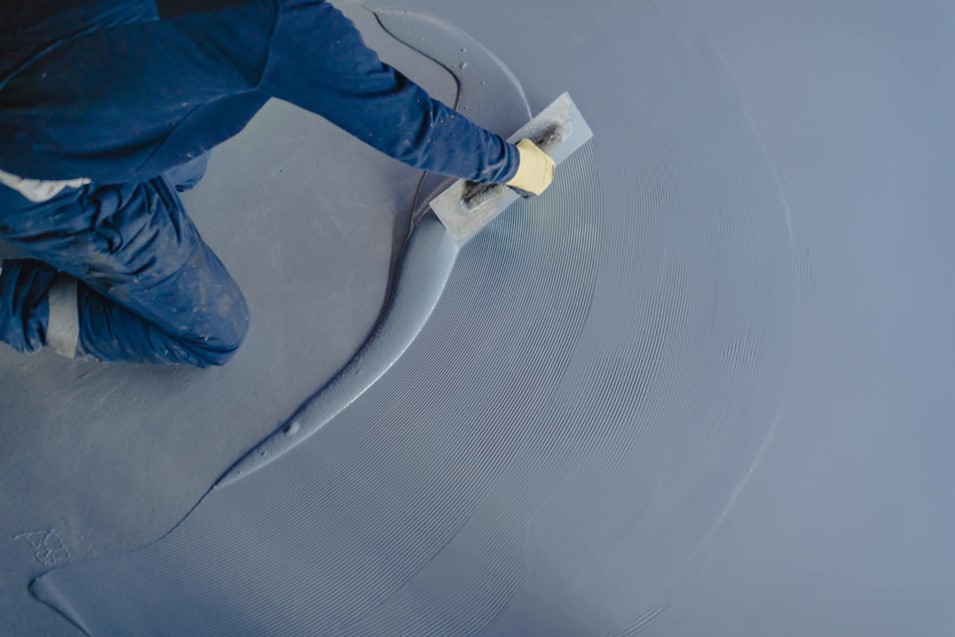
Restorative polymer coating is designed to function as a renewed wear layer for vinyl surfaces. Unlike conventional waxes or temporary sealants, polymer coatings are formulated to chemically bond with the vinyl substrate. This creates a seamless and durable film that integrates with the surface rather than merely sitting on top of it.
Once applied and cured, the coating restores clarity, depth, and uniformity to the vinyl. Scratches and minor surface imperfections are visually reduced, while the overall texture becomes smoother and more consistent. Beyond aesthetics, the coating enhances resistance to abrasion, moisture, stains, and cleaning chemicals, allowing vinyl surfaces to withstand demanding conditions with greater ease.
Restoration Over Replacement as a Smarter Strategy
Replacing vinyl flooring or panels is often disruptive, expensive, and environmentally unfriendly. Removal generates waste, installation requires downtime, and new materials come with a significant carbon footprint. Restorative polymer coating offers an alternative that prioritises preservation over disposal.
By extending the lifespan of existing vinyl, property owners and facility managers can reduce waste while achieving immediate visual and functional improvements. This restoration-based approach aligns well with sustainable building practices, where extending material usability is considered more responsible than frequent replacement.
In operational spaces where downtime translates into lost revenue or inconvenience, restorative coating provides a practical solution that delivers results without major disruption.
Performance Benefits That Enhance Daily Operations
One of the defining advantages of restorative polymer coating lies in its performance under real-world conditions. The coating creates a hardened yet flexible surface that absorbs wear, protecting the vinyl beneath from damage. This sacrificial layer takes on the impact of daily use, preserving the integrity of the original material.
Cleaning becomes more efficient as contaminants remain on the surface rather than penetrating into the vinyl. This reduces the need for aggressive chemicals and intensive scrubbing, ultimately lowering maintenance costs and extending the coating’s lifespan. In areas where moisture is common, the coating also acts as a barrier that helps prevent water ingress and surface deterioration.
Slip resistance can be improved depending on the formulation and finish, contributing to safer environments without compromising visual appeal.
Versatility Across Different Applications
Restorative polymer coating is suitable for a wide range of vinyl surfaces and settings. Commercial spaces benefit from restored flooring that maintains a professional appearance even under heavy use. Retail environments can refresh interiors without lengthy closures, while offices enjoy cleaner, more polished surfaces with reduced maintenance demands.
Residential properties increasingly adopt this coating solution as well, particularly in high-traffic areas such as living spaces and kitchens. Homeowners appreciate the ability to revive existing vinyl without undergoing full renovations.
Industrial and utility areas also gain value from polymer coatings, as enhanced resistance to abrasion and chemical exposure helps surfaces endure harsh operational conditions.
The Science Behind Durability and Adhesion
The effectiveness of restorative polymer coating lies in advanced polymer technology. These coatings are engineered to penetrate microscopic pores and irregularities on vinyl surfaces, creating a strong bond that resists peeling, cracking, or delamination. The cured coating moves with the vinyl substrate, accommodating temperature fluctuations and structural movement.
This flexibility is critical in environments where materials expand and contract over time. By maintaining adhesion and integrity under stress, the coating ensures long-term protection without compromising performance.
Simplifying Maintenance Without Sacrificing Quality
Once a vinyl surface is treated with restorative polymer coating, maintenance routines become more predictable and less intensive. Routine cleaning is typically sufficient to maintain appearance, while the coating shields the underlying vinyl from premature wear.
When the coating eventually shows signs of wear, it can often be refreshed or reapplied without damaging the original surface. This allows for a continuous cycle of renewal rather than replacement, providing long-term cost efficiency and consistent surface quality.
For facilities that prioritise cleanliness and presentation, this ease of maintenance offers a significant operational advantage.
Preserving Design While Enhancing Appearance
Restorative polymer coatings are generally transparent, allowing the original colour and pattern of the vinyl to remain visible. Rather than masking design elements, the coating enhances them by restoring clarity and depth.
Different finish levels can be achieved depending on aesthetic preferences, ranging from subtle matte textures to high-gloss finishes. This adaptability allows spaces to be refreshed visually without altering layouts or design concepts, making it an ideal solution for environments where consistency and branding are important.
A Practical Solution for Modern Urban Spaces
In fast-moving urban environments, solutions that balance durability, efficiency, and sustainability are highly valued. Restorative polymer coating meets these demands by offering a low-disruption, high-impact method of surface renewal.
As buildings age and usage intensifies, the ability to restore rather than replace becomes increasingly important. Vinyl protective coating represents a forward-thinking approach to surface care, where longevity and performance take precedence over short-term fixes.
Looking Ahead in Vinyl Surface Protection
As technology advances, restorative polymer coatings continue to evolve, offering improved durability, environmental performance, and functional enhancements. What remains consistent is the philosophy behind the solution: protecting existing materials through intelligent restoration.
Vinyl Protective Coating, through restorative polymer technology, provides a long-term strategy for maintaining surface quality, reducing waste, and enhancing overall performance. In spaces where vinyl plays a central role, this coating is not merely an upgrade it is an investment in durability, sustainability, and refined surface management.