
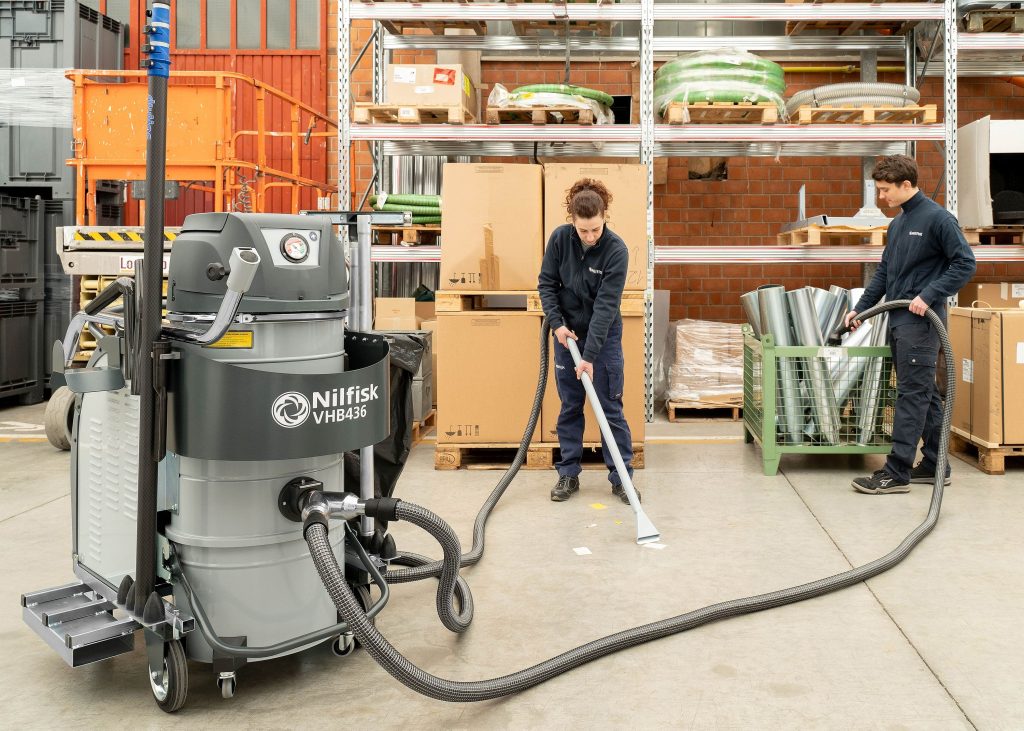
In industrial environments, spills are never just spills. A puddle on a factory floor can halt production, compromise safety, damage equipment, and create compliance issues within minutes. Unlike domestic messes that can be handled with a mop and bucket, industrial settings demand something far more robust. This is where Industrial Wet-Vac Systems step in engineered not just to clean, but to restore control.
Industrial wet-vacs are purpose-built machines designed to extract liquids, slurries, oils, coolants, and debris in demanding workspaces. They are not oversized household vacuums; they are heavy-duty systems built to operate continuously, withstand harsh conditions, and protect both workers and equipment.
What Defines an Industrial Wet-Vac System?
At its core, an industrial wet-vac system combines high suction power with liquid containment capability. Unlike dry-only vacuums, these systems are equipped with sealed motors, corrosion-resistant tanks, and filtration systems capable of handling moisture without internal damage.
What truly separates industrial models from standard wet/dry shop vacs is durability and performance under pressure. Industrial environments often require machines that can operate for extended periods without overheating or losing suction. These systems are designed with stronger motors, reinforced hoses, and advanced safety mechanisms to handle demanding workloads.
The Real-World Environments That Rely on Industrial Wet-Vacs
Industrial wet-vac systems are not limited to one sector. Their versatility makes them indispensable across multiple industries.
Common environments where they are heavily used include:
- Manufacturing plants dealing with coolant spills and metal shavings
- Food processing facilities managing liquid waste and sanitation
- Construction sites handling water accumulation and slurry
- Warehouses responding to accidental chemical spills
- Automotive workshops extracting oil and contaminated fluids
Each environment presents a different challenge, but the underlying need remains the same: fast, efficient, and safe liquid removal.
Suction Power That Means Business
Performance is measured not just by suction strength but by airflow consistency and recovery speed. Industrial wet-vacs often feature high-wattage motors or multi-motor configurations that maintain suction even when handling dense liquids or semi-solid waste.
In larger facilities, centralised industrial wet-vac systems may even be integrated into the building’s infrastructure. These systems connect multiple workstations to a central collection tank, enabling continuous operation without frequent emptying. The scale of such setups reflects the seriousness of industrial liquid management.
Built for Liquids That Aren’t Just Water
A key misconception is that wet-vacs are only for water spills. Industrial wet-vac systems are engineered to manage much more complex substances. In manufacturing settings, fluids often include oils, solvents, cutting lubricants, and chemical mixtures.
Because of this, industrial wet-vacs are constructed with materials that resist corrosion and chemical damage. Stainless steel tanks, reinforced seals, and specialised filtration systems ensure that the machine can withstand aggressive liquids without deteriorating quickly.
Safety: The Silent Advantage of Industrial Wet-Vac Systems
In industrial spaces, safety is not optional. Slippery floors can lead to severe injuries, and unattended spills can become electrical hazards. Industrial wet-vacs contribute significantly to workplace safety by enabling rapid response to liquid hazards.
Some systems include safety features such as:
- Automatic shut-off when tanks reach capacity
- Anti-static components for environments with flammable vapours
- HEPA or multi-stage filtration to manage contaminated liquids
- Float mechanisms that prevent motor damage
These built-in protections allow teams to focus on cleanup without worrying about equipment failure or additional risks.
Capacity Matters More Than You Think
Industrial wet-vac systems are available in various tank capacities, ranging from compact mobile units to large-scale systems designed for heavy-duty extraction. In environments where liquid waste accumulates quickly, smaller tanks would require constant emptying, interrupting workflow.
High-capacity models reduce downtime. Some even feature pump-out systems that allow operators to discharge collected liquids directly into designated disposal systems without manually lifting heavy tanks. This design not only increases efficiency but also reduces physical strain on workers.
Mobility Versus Centralisation in Industrial Wet-Vac Systems
Choosing between a mobile wet-vac and a centralised system depends on operational needs. Portable industrial wet-vacs are ideal for facilities where spills occur in multiple unpredictable locations. Their wheels, ergonomic handles, and flexible hoses allow rapid deployment.
On the other hand, centralised industrial wet-vac systems are suited for production lines with consistent liquid waste generation. These systems often integrate directly with machinery, extracting fluids continuously as part of the production process.
The decision ultimately depends on workflow patterns, facility size, and volume of liquid waste.
Filtration Technology: Beyond Basic Extraction
Modern industrial wet-vac systems go beyond simple suction. Advanced filtration systems separate liquids from solids, enabling facilities to recycle certain materials or dispose of them more efficiently.
Some systems use multi-stage filtration to capture fine particles suspended in liquids. This is particularly important in industries where contamination control is critical, such as pharmaceuticals or food production. Effective filtration ensures that extracted waste does not compromise hygiene standards or regulatory compliance.
Durability in Harsh Conditions
Industrial environments are rarely gentle. Dust, vibration, temperature fluctuations, and heavy machinery all contribute to wear and tear. Industrial wet-vac systems are built with reinforced frames, impact-resistant casings, and heavy-duty wheels to withstand such conditions.
Long operational life is not just a bonus it is an expectation. Businesses invest in these systems knowing they must perform reliably over years of demanding use. Frequent breakdowns would disrupt productivity and increase maintenance costs.
Maintenance and Longevity of Industrial Wet-Vac Systems
Even the most robust system requires regular care. Maintenance routines typically include cleaning filters, inspecting hoses, checking seals, and ensuring motors remain debris-free. Fortunately, many industrial wet-vacs are designed for easy servicing, with accessible components and modular parts.
Preventive maintenance significantly extends equipment lifespan and ensures consistent performance. In high-demand settings, scheduled inspections help avoid unexpected downtime that could halt operations.
Energy Efficiency and Operational Costs
While industrial wet-vac systems are powerful, modern models are increasingly engineered with energy efficiency in mind. Efficient motor designs and optimised airflow reduce power consumption without compromising performance.
When evaluating cost, businesses often consider:
- Initial purchase price
- Energy consumption
- Maintenance frequency
- Downtime impact
- Expected lifespan
A well-chosen system may appear costly upfront but delivers substantial savings through durability and operational efficiency.
Environmental Considerations in Industrial Wet-Vac Systems
Environmental responsibility is becoming a growing concern across industries. Industrial wet-vac systems contribute by enabling proper waste management. By safely collecting hazardous liquids, they prevent contamination of soil and water systems.
Some advanced systems even allow for fluid recovery and reuse. For example, certain industrial settings can filter and recycle coolants, reducing waste and operational costs simultaneously. This combination of efficiency and sustainability aligns with modern industrial priorities.
Choosing the Right Industrial Wet-Vac System
Selecting the right system requires a clear understanding of operational needs. It is not about choosing the most powerful machine available, but about matching performance to application.
Factors to consider include liquid type, volume, mobility requirements, electrical supply, and safety standards. A system that excels in a food processing plant may not be ideal for a construction site.
The right choice enhances workflow rather than complicates it.
Industrial Wet-Vac Systems as a Strategic Investment
Industrial wet-vac systems are more than cleaning tools. They are strategic assets that protect productivity, safeguard workers, and ensure compliance with safety standards. In high-demand industrial settings, the ability to respond quickly to liquid hazards can make the difference between smooth operations and costly disruptions.
By combining power, durability, and intelligent design, industrial wet-vac systems transform messy situations into manageable tasks. They restore order where spills threaten chaos and maintain operational continuity in environments that never slow down.
In industries where efficiency and safety go hand in hand, industrial wet-vac systems quietly perform one of the most essential roles of all keeping the floor clear so the work can continue.